Introducing the EVO-X Series

Signs Your Turn Signal Light Needs to Be Replaced
April 10, 2026
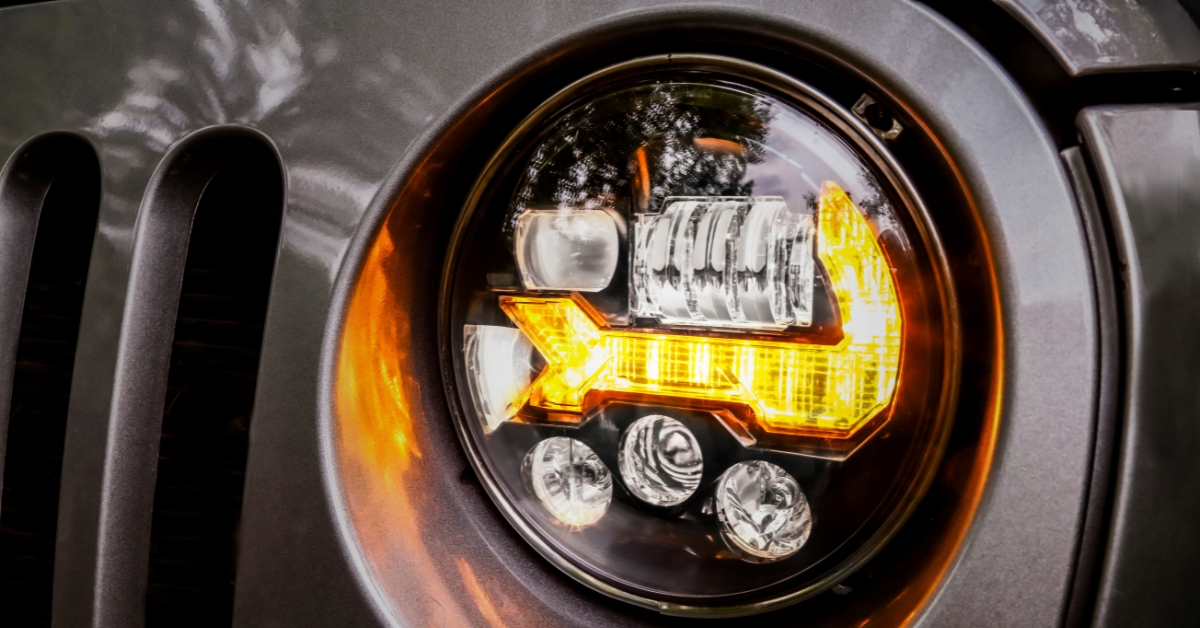
The turn signal, also known as a blinker, is a feature designed to enhance your safety and the safety of others around you while driving. These lights enable drivers to clearly communicate their next move to other cars on the road, allowing traffic to flow peacefully.
In most places, legally, turn signals must be visible from a set distance, both during the day and at night. When these lights don’t work properly, or at all, safety and compliance take the front seat.
Knowing how to recognize the signs of a failing turn signal light can help you avoid accidents and reduce liability, whether driving a personal vehicle or managing a fleet.
Why Turn Signals Really Matter
You’re not just risking a ticket when one of your turn signal lights is out; you’re increasing the odds of a preventable accident.
Using your turn signal when you change lanes, make a turn, or merge onto a road or highway allows other drivers to know what to expect from your vehicle and when. When your light is dim or fully out, your actions become unpredictable.
In heavy traffic, poor weather, or low-light conditions, that confusion can escalate quickly and result in someone getting hurt or property being damaged.
Warning Signs Your Turn Signal Lights Need Attention
Other drivers aren’t responsive: As a common courtesy, most drivers will slow down to allow another car with their signal on to move into their lane. If the car next to you doesn’t attempt to let you in, it could be nothing. But if it becomes a pattern, or you notice other drivers beeping at you, you may want to check your lights.
Dim or no visible light: When you check the exterior of the vehicle, both lights should illuminate. If one or both lights don’t turn on when pulling the turn signal lever, the bulb may have burned out. If you notice a dim light on either side, the bulb should be replaced before it completely burns out.
Rapid flashing: Incredibly fast blinking, also known as hyperflashing, usually means you have a failed bulb or an electrical mismatch.
Solid turn signal indicator: The complete opposite of hyperflashing, a solid turn signal indicator on your dashboard can also be a sign that the bulb is dying or is already out. This can also be determined by checking both sides of the vehicle.
Hazard light failure: Your turn signal lights are used for the hazard lights. If you don’t see both lights blinking when you turn on this feature, one of your lights is likely out.
Safety and Compliance
Turn signals are required by law for a reason. Malfunctioning lights can lead to:
- Dangerous miscommunication with other drivers
- Tickets or fines
- Liability after accidents
- Insurance complications
For fleets, having vehicles with faulty signals can create safety issues, downtime, and regulatory risk.
Replacing Your Turn Signal Lights
If your vehicle needs a replacement light, take time to weigh your options. Look for lights that are bright, reliable, and built to last under real-world conditions.
Modern LED turn signal lights have significantly improved reliability and visibility compared to traditional incandescent bulbs, as they last longer, illuminate more consistently, and respond faster.
Our LED turn signals are engineered for both OEM and aftermarket use and are built to perform reliably on everything from everyday cars to off-road vehicles.
With lights that balance visibility, durability, and style, a proper turn signal isn’t just a safety feature; it’s a trusted part of your vehicle that keeps you seen and protected for years.
Explore the full lineup of J.W. Speaker turn signal lights here.