Introducing the EVO-X Series

Spotlights vs. Floodlights: The Differences Explained

Choosing the right lighting solution can transform your space, enhance security, and improve functionality. Two primary options dominate the market: spotlights and floodlights.
Each serves distinct purposes and offers unique advantages depending on your specific requirements. Let’s explain the differences between spotlights and floodlights so you can use both of these effective lighting solutions successfully.
Spotlight Superiority: Focused Beam Brilliance
Spotlights deliver concentrated illumination through narrow beam angles. This focused approach creates intense light output over specific areas, making them ideal for precision lighting applications.
The concentrated beam design enables spotlights to achieve greater throw distances compared to floodlights of similar wattage.
Light intensity remains strong even at extended ranges because the energy concentrates within a smaller area rather than dispersing widely.
Primary Applications
Spotlights excel in applications requiring directional control and minimal light spillage. Their precise beam patterns reduce glare and light pollution while maximizing illumination where you need it most.
This efficiency makes them particularly valuable for accent lighting, architectural highlighting, and security monitoring of specific zones.
However, the automotive industry leverages this lighting solution as an auxiliary option. Installing spotlights on vehicles helps with navigating off-road terrain where visibility is low.
The optical design of quality spotlights incorporates reflectors and lenses that shape the light beam for optimal performance. Advanced models feature adjustable beam angles, allowing users to customize the spread based on mounting height and coverage requirements.
Floodlight Fundamentals: Wide Angle Wonders
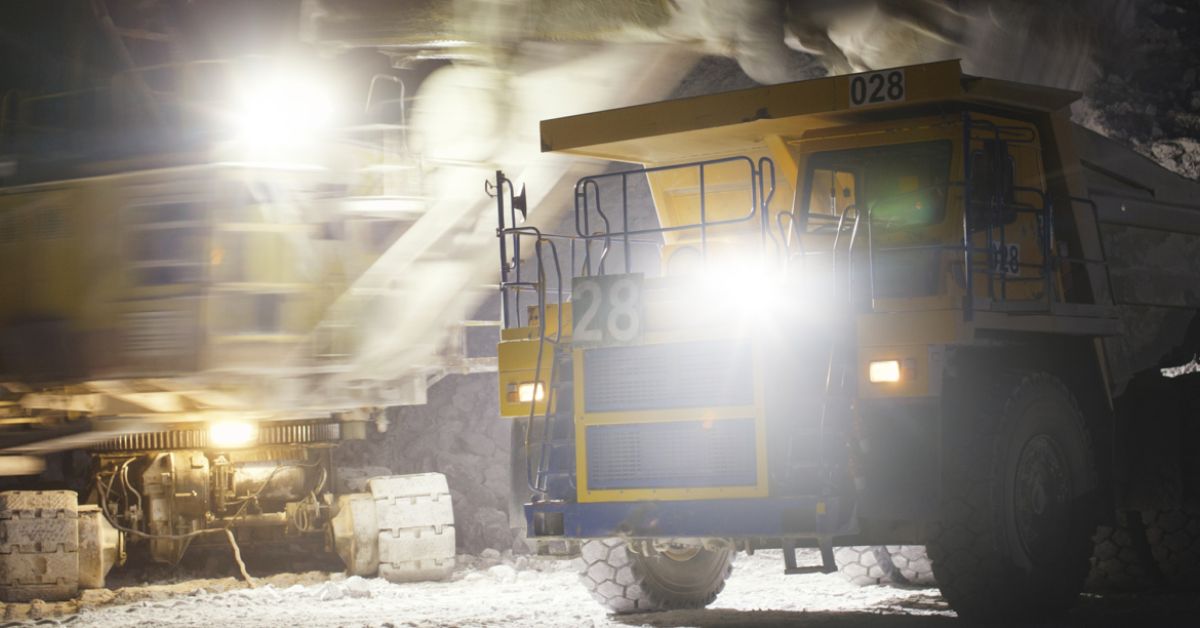
Installing floodlights on your vehicle maximizes its visibility, primarily when it comes to coverage rather than range.
Floodlights produce broad, diffused illumination through wide beam angles. This expansive coverage creates uniform light distribution across large areas, eliminating shadows and dark spots.
The wide-angle design sacrifices throw distance for coverage area.
While floodlights may not illuminate distant objects as effectively as spotlights, they excel at providing consistent illumination across large, open spaces such as parking lots, remote worksites, or recreational areas.
Modern Floodlight Designs
Floodlights utilize different optical configurations compared to spotlights. Their reflector systems and lens arrangements prioritize even light distribution over concentrated intensity.
This approach reduces hot spots and creates comfortable viewing conditions for pedestrians and vehicles.
Modern floodlight designs incorporate multiple LED arrays or strategic reflector positioning to achieve optimal light uniformity. Advanced models feature adjustable mounting brackets that enable precise aiming and coverage customization based on specific area requirements.
Application Arena: Tailoring Light to Task
The biggest difference between spotlights and floodlights is the way in which they illuminate any given space. When it comes to automotive lighting, choosing the right solution is critical for both safety and performance.
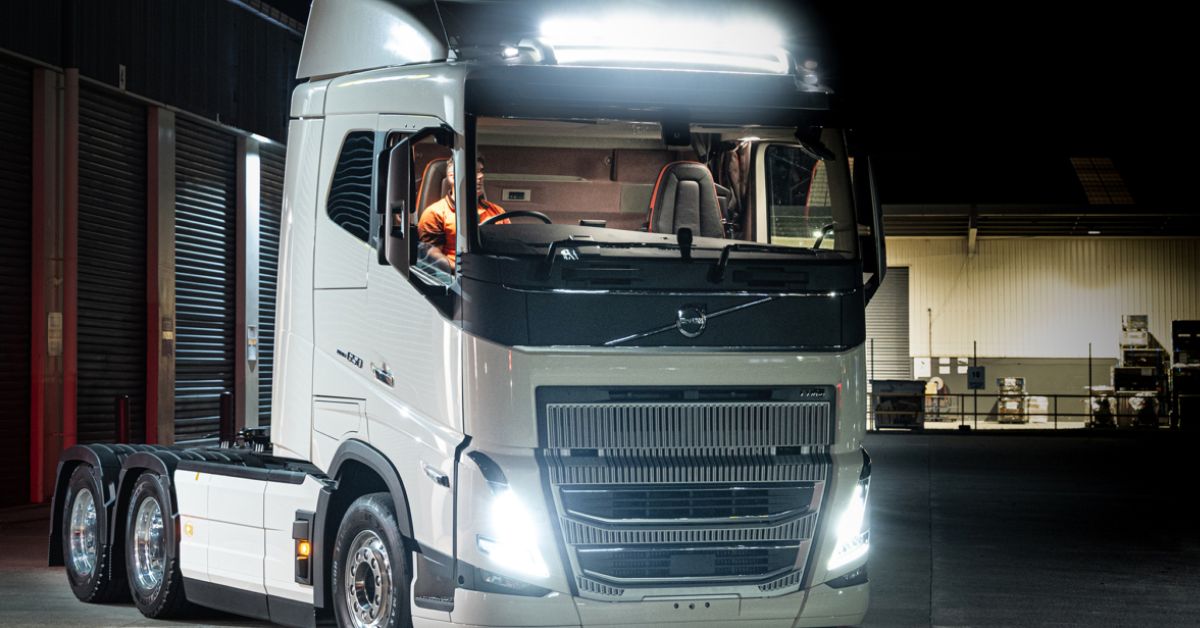
Spotlights are commonly used in vehicles to provide focused, high-intensity beams, ideal for illuminating distant objects or enhancing visibility on narrow, dark roads. On the other hand, floodlights are widely applied in off-road vehicles and work trucks, offering broad, dispersed illumination that ensures wide coverage, essential for low-speed maneuvering or working in dark environments.
Emergency and temporary lighting scenarios often favor floodlights because their wide coverage quickly illuminates large areas during power outages or emergency situations.
This broad illumination helps occupants navigate safely and supports emergency response activities.
Brightness Matters: Lumens and Wattage Explained
Lumen output determines the total amount of visible light produced by any lighting fixture.
Spotlights and floodlights with identical lumen ratings produce the same total light output, but distribute it differently across their respective beam patterns. The measurement unit “foot-candle” will help you evaluate lumens per foot.
Spotlights concentrate their lumen output within narrow beam angles, creating higher foot-candle levels at the center of their illumination pattern.
This concentration enables effective illumination at greater distances despite potentially lower total lumen output.
Floodlights distribute their lumen output across wide beam angles, resulting in lower foot-candle levels at any specific point but more uniform illumination across the entire coverage area. Higher total lumen output may be necessary to achieve adequate illumination levels.
Wattage and Color Temperature
Wattage indicates power consumption rather than light output.
Modern LED technologies achieve higher lumen-per-watt ratios compared to traditional lighting sources, enabling significant energy savings while maintaining or improving illumination levels.
Color temperature affects the perceived brightness and visual comfort of both spotlights and floodlights. Cooler temperatures (higher Kelvin ratings) appear brighter to the human eye, while warmer temperatures create more comfortable environments for prolonged exposure.
Tips for Finding a Reputable Light Supplier
Choosing the right supplier for your automotive lighting needs is crucial to ensure quality, durability, and optimal performance.
Start by evaluating suppliers with a strong reputation in the industry; online reviews and testimonials can provide valuable insights into customer satisfaction. Verify that the supplier adheres to industry standards and offers products that are certified for safety and efficiency.
It’s also beneficial to evaluate their product range to ensure they have a diverse inventory that meets your specific requirements.
Look for suppliers who provide warranty policies, as this demonstrates confidence in their products.
Finally, prioritize companies with responsive customer service, as this indicates they value long-term relationships and satisfaction. A reputable supplier will guarantee high-quality lighting solutions tailored to your needs.
Smart Choices: Considering Energy Efficiency
LED technology offers superior energy efficiency compared to traditional lighting sources for both spotlights and floodlights. LED fixtures consume significantly less power while delivering comparable or superior light output, resulting in substantial operational cost savings.
Smart controls and sensors enhance energy efficiency by automatically adjusting light output based on occupancy, ambient light levels, or predetermined schedules.
These systems reduce unnecessary energy consumption while maintaining adequate illumination when needed.
Dimming capabilities enable further energy savings by allowing light output adjustment based on specific requirements. Dimmable LED spotlights and floodlights can reduce energy consumption while providing adequate illumination for low-activity periods.
Making Your Lighting Decision
The choice between spotlights and floodlights depends on your specific illumination requirements, coverage area, and performance objectives. Spotlights deliver focused intensity for precision applications, while floodlights provide broad coverage for area illumination.
You can visit J.W. Speaker right now for commercial vehicle lighting that will help you elevate your vehicle’s safety. Use the information above to find a light design that best suits your driving habits.
Consider your long-term lighting needs when making this decision. Future expansion plans, changing usage patterns, and evolving technology may influence the optimal choice for your specific application.