
Exploring the Pros and Cons of Adaptive LED Headlights

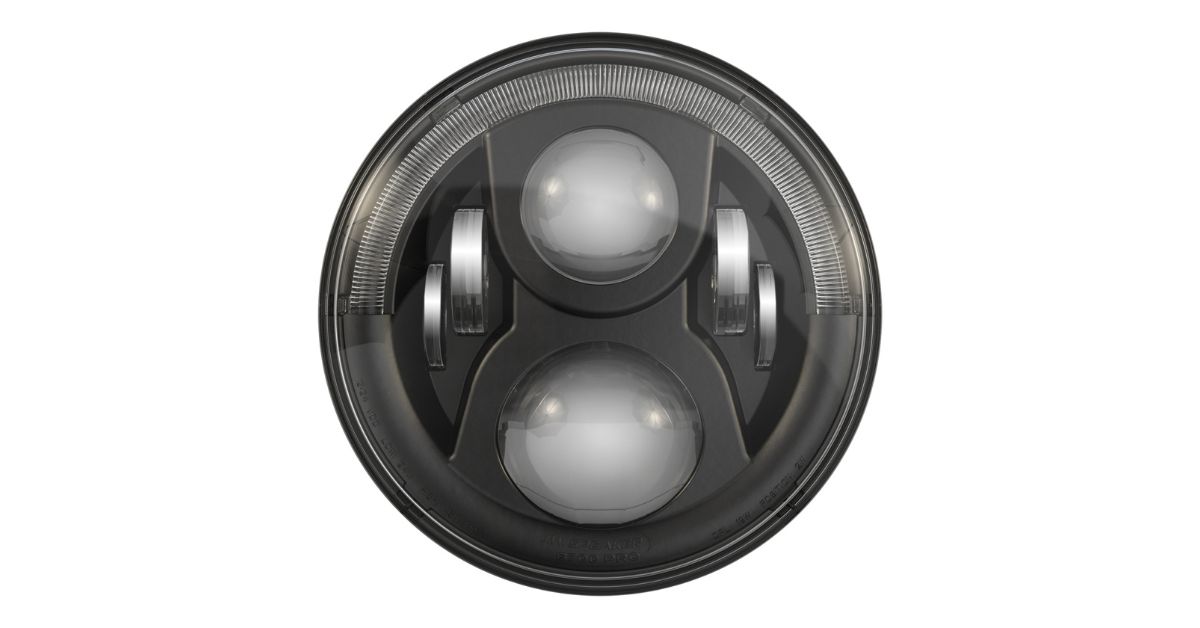
Adaptive LED headlights represent a major transformation in automotive lighting technology. Designed to enhance driver visibility and safety, these advanced systems are becoming an increasingly common feature on modern vehicles.
Unlike traditional headlights, which offer a static beam of light, adaptive LEDs dynamically adjust to changing road and weather conditions.
This guide will examine the technology behind adaptive LED headlights, weigh their advantages and disadvantages, and consider their future in the automotive industry.
Explore these pros and cons of adaptive LED headlights to determine its use in your routine driving habits.
The Mechanics of Adaptive Lighting
Adaptive LED headlights utilize a sophisticated system of sensors, cameras, and microprocessors to control the light beam.
This technology allows the headlights to respond in real-time to various driving scenarios. The system processes data on vehicle speed, steering angle, and surrounding traffic to optimize illumination.
Key functionalities include:
- Swiveling Beams: The headlights pivot horizontally as the vehicle turns, illuminating curves and corners more effectively than fixed headlights.
- Beam Shaping: The system can alter the shape and intensity of the light beam, creating a wider spread at low speeds for urban driving and a longer, more focused beam for highway speeds.
- Glare-Free High Beams: One of the most significant innovations is the ability to selectively dim portions of the high beam. When the system detects an oncoming or preceding vehicle, it creates maximum illumination for the driver without dazzling others.
The Clear Advantages of Adaptation
The benefits of upgrading to or purchasing a vehicle with adaptive LED headlights are substantial, focusing primarily on safety and long-term performance.
Superior Visibility and Safety
The primary advantage of adaptive LED headlights is the dramatic improvement in nighttime visibility. Illuminating the road ahead more intelligently helps drivers identify potential hazards like pedestrians, animals, or obstacles around bends much earlier.
The glare-free high beam function allows for more frequent use of high beams, which significantly enhances safety during night driving without inconveniencing other motorists. This dynamic lighting reduces driver strain and contributes to a safer driving environment for everyone on the road.
Greater Energy Efficiency
LEDs are inherently more energy-efficient than the halogen bulbs found in traditional headlight systems. They consume significantly less power from the vehicle’s electrical system, which can lead to a marginal improvement in fuel efficiency.
This reduced energy draw also lessens the strain on the vehicle’s alternator and battery, contributing to their overall longevity.
Extended Operational Lifespan
LEDs have a much longer lifespan than conventional bulbs. While a traditional halogen bulb might last for around 1,000 hours, an LED can function for 20,000 hours or more.
This durability means that for many drivers, the adaptive LED headlights will last the entire lifetime of the vehicle, eliminating the need for periodic bulb replacements and reducing long-term maintenance.
Potential Drawbacks and Considerations
Exploring the pros and cons of adaptive LED headlights is important because they’re not for everyone, despite their reliable and innovative designs.
While the technology offers clear benefits, there are several disadvantages that potential buyers should consider.
Complexity of Repairs
When a traditional headlight fails, the solution is usually a simple and inexpensive bulb replacement. In contrast, the intricate nature of adaptive LED systems makes repairs more complex and costly.
A failure could stem from a malfunctioning sensor, a faulty control module, or a problem within the LED unit itself. These repairs often require specialized diagnostic equipment and technician expertise, leading to higher labor costs and more expensive replacement parts.
Vulnerability to Sensor Malfunctions
The performance of adaptive LED headlights is entirely dependent on the network of sensors and cameras they are connected to. If any of these sensors—which can be affected by dirt, ice, or physical damage—malfunction, it can compromise the adaptive functionality or cease to work altogether.
This can result in the system reverting to a basic, non-adaptive mode or, in some cases, requiring a costly repair to restore full functionality.
Difficulty in DIY Installation
While adaptive LED headlights offer numerous benefits, one notable disadvantage is their complexity when it comes to installation. Unlike traditional headlights, which are relatively straightforward to replace or upgrade, adaptive LED systems are advanced and require specialized knowledge and tools to install or service.
This is because these systems integrate sophisticated sensors, control units, and motors to dynamically adjust the beam pattern.
For most vehicle owners, attempting a DIY installation could lead to errors in alignment or functionality, potentially compromising safety. As a result, professional assistance is necessary, which can lead to additional costs in labor and service fees.
Consequently, the lack of ease for DIY enthusiasts can be a deterrent for those considering upgrading to adaptive LEDs.
Comparing Headlight Technologies
When placed side-by-side, the differences between adaptive LED and traditional headlights are stark.
- Light Output: Adaptive LEDs provide a brighter, clearer light that more closely resembles natural daylight, improving color recognition and reducing eye fatigue. Their beam distribution is dynamic, actively shaping the light to fit the environment, whereas traditional headlights offer only a fixed pattern.
- Maintenance and Replacement: Traditional headlights require periodic bulb replacements, which are generally affordable. Adaptive LEDs are designed to be maintenance-free for the life of the vehicle, but if a unit does fail, the replacement cost can be steep compared to cheaper bulbs.
Final Verdict: Are They Worth It?
Upgrading to LED automotive lighting solutions will help you craft a car that is more innovative and naturally fits your driving habits.
Adaptive LED headlights offer undeniable improvements in safety and visibility for nighttime driving. Their ability to intelligently illuminate the road, reduce glare for other drivers, and adapt to various conditions marks a significant advancement in automotive technology.
However, these benefits come with a higher initial cost and the potential for expensive, complex repairs.
For drivers who frequently travel at night or on poorly lit roads, the investment in adaptive LED technology can provide a tangible increase in safety and confidence. As the technology becomes more widespread, adaptive LED headlights are poised to become a standard feature, fundamentally changing how we see the road ahead.
Upgrading to adaptive LED headlights may seem complex, but for many, the benefits far outweigh the challenges.
Don’t compromise on safety—reach out to a trusted professional today to explore adaptive LED solutions tailored to your needs. You can take the first step toward a safer, brighter driving experience now!